


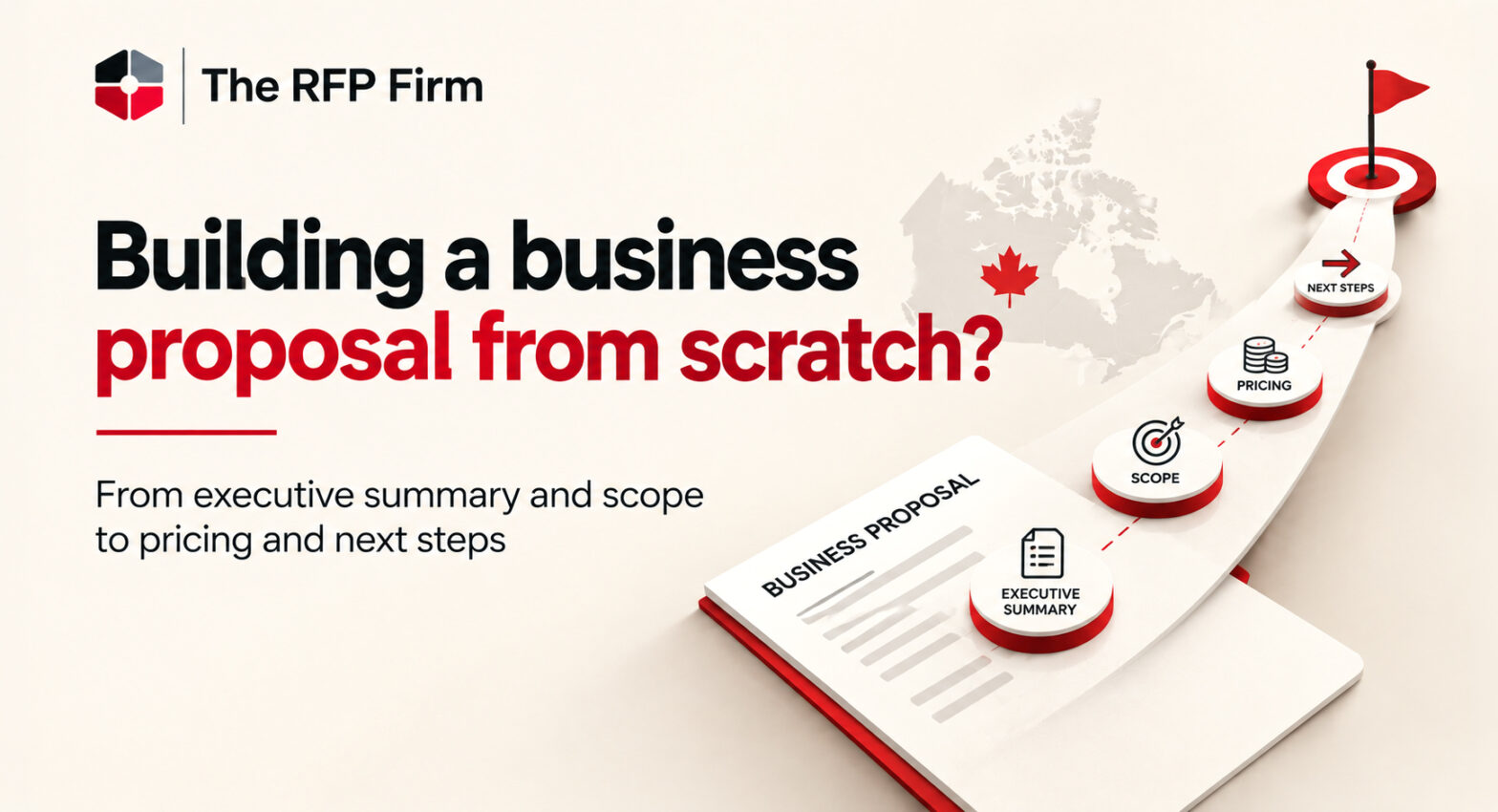
Format of business proposal: A complete guide for beginners
A business proposal is one of the most important documents you’ll put together to win new customers, land new projects, or set up a partnership. Whether you run a small business, consult, freelance, or contract, a well-written proposal can tip a client’s decision your way.
The format of a business proposal shapes how your message lands. You could have the perfect solution to offer, but if the proposal lacks structure and a few key pieces, it can get misread or skipped over entirely.
This guide walks through the standard business proposal format, what each section is for, the mistakes to watch out for, and a few practical tips if you’re just getting started.
What is a business proposal?
A business proposal is a formal document where a business offers a product or service to solve a prospective client’s problem. In plain terms, it lays out how you plan to meet that client’s need.
Proposals come in two flavors: solicited, where the client asked for it, and unsolicited, where you send it without a request.
When do businesses use proposals?
Businesses use proposals in all kinds of situations, including:
- Sales opportunities, to introduce products or services
- Consulting, maintenance, or professional service agreements
- Partnerships between businesses with shared goals
- Project-based work with defined deliverables, deadlines, and budgets
- Government procurements that run through a competitive bidding process
Whatever the situation, the job is the same: show that you understand the problem, explain how you’ll solve it, and make it easy for the reader to act.
What makes a good format generate a good impression?
The format shapes how your proposal is judged from the very first page. A clean format signals professionalism, attention to detail, and a business that’s ready to deliver. And when a decision-maker is working through a stack of proposals, good formatting makes the information they need easy to find.
How does correct formatting contribute to readability?
Good formatting points the client to the information they’re after and lays it out in a logical order, so they’re not hunting for it. It usually includes:
- Clear headings and subheadings
- Consistent fonts and spacing
- A logical section order
- Tables and bullet points where they help
- A clean, professional page layout
Why does proposal structure build client confidence?
For a lot of clients, a well-formatted proposal is a preview of how you’ll run their project. Present the critical information clearly, and the client feels more confident in the solution you’re offering.
Could formatting lift your success rate?
Formatting alone won’t win you the work. But it can make your proposal easier to understand and evaluate, and paired with useful content, realistic pricing, and the right solution, a well-formatted proposal has a better shot.
Standard Format of a Business Proposal
Most business proposals follow a familiar structure. The level of detail shifts with the opportunity, but the sections below cover the essentials.
Cover Page
The cover page is the first thing the client sees, and it carries the identifying details. It generally includes:
- Proposal title
- Client name
- Company name
- Date of submission
- Contact information
- Company logo
Table of Contents
For a longer proposal, a table of contents helps the reader find their way around, especially when there are several sections and appendices.
Executive Summary
The executive summary gives a quick snapshot of the whole proposal. A strong one covers:
- The client’s challenge or objective
- The proposed solution
- The key benefits
- Why your business is qualified
This is where most decision-makers start reading, so make it count.
Company Introduction
This section introduces your business and shares the experience and capabilities that matter. Skip the full company history and stick to what’s useful for this particular opportunity.
Problem Statement
The problem statement shows you understand what the client is dealing with. Spell out:
- The issue you’re addressing
- The impact it’s having
- Why it needs action now
A sharp problem statement makes the case for why your solution is relevant.
Proposed Solution
The proposed solution explains how you’ll tackle the need you just described. Walk through:
- Your recommended approach
- The key activities
- The deliverables
- The expected results
Keep the focus on what the client gets out of it.
Scope of Work
The scope of work spells out what’s included in the project and what isn’t. Common elements:
- Services provided
- Deliverables
- Responsibilities
- Assumptions
- Exclusions
Project Timeline
The timeline gives an overview of milestones and expected completion dates. For example:
| Phase | Activity | Timeline |
|---|---|---|
| Phase 1 | Project kickoff | Week 1 |
| Phase 2 | Planning and development | Weeks 2 to 4 |
| Phase 3 | Review and revisions | Week 5 |
| Phase 4 | Final delivery | Week 6 |
Match the level of detail to how complex the project is.
Pricing and Budgeting
The pricing section covers the money side of the proposal. Make it clear:
- The project cost
- The pricing structure
- The payment schedule
- Any additional charges
- Applicable taxes
Transparency is everything here. The client should know exactly what they’re getting for their money.
Terms and Conditions
Terms and conditions set the ground rules for the engagement. Common topics:
- Payment terms
- Confidentiality
- Intellectual property
- Project changes
- Termination provisions
- Liability limitations
Get legal advice when the situation calls for it.
Call to Action
Close with a clear next step. That might be:
- Signing the proposal
- Scheduling a meeting
- Approving the scope
- Requesting more information
A direct call to action keeps the opportunity moving.
Appendices (Optional)
Appendices let you add supporting material without cluttering the main narrative. Examples:
- Case studies
- Resumes
- Certifications
- Technical specifications
- References
- Supporting documents
What are the most useful tips to create a successful business proposal?
A few habits go a long way for beginners.
Focus on client needs
Write the proposal around the client, not around your own capabilities.
Use simple language
Skip the jargon and the long, winding sentences.
Include measurable outcomes
Wherever you can, describe deliverables and expected results in specific, measurable terms.
Support claims with evidence
Back up what you say with:
- Relevant experience
- Client references
- Case studies
- Certifications
- Project examples
Maintain professional formatting
Consistent fonts, headings, spacing, and layout are what make a document look professional.
What are some common proposal mistakes that beginners should avoid?
A lot of proposal trouble comes from avoidable mistakes. The usual ones:
Generic content
Reusing the same content for every proposal makes it feel irrelevant to the client in front of you.
Poor organization
A disorganized proposal makes readers work to find what they need.
No pricing data
Clients shouldn’t have to guess what the solution costs.
Weak executive summary
A summary that’s all about your company, and not about the client’s needs, won’t hold anyone’s attention.
Grammar and format errors
Spelling slips, sloppy formatting, and math errors chip away at your credibility. Give the document a solid quality check before it goes out.
Business proposal vs business plan: What’s the difference?
People use the two terms interchangeably, but they aren’t the same thing. Knowing the difference makes sure you’re building the right document for the right audience.
| Feature | Business proposal | Business plan |
|---|---|---|
| Primary purpose | Win business opportunities | Guide business growth |
| Audience | Clients, partners, buyers | Owners, investors, lenders |
| Focus | Specific project or opportunity | Entire business strategy |
| Time horizon | Short-term opportunity | Long-term planning |
| Content | Solution, scope, pricing, | Operations, finances, |
| Outcome | Secure approval or contract | Support business management and funding |
Conclusion
Knowing the format of a business proposal is a core skill for any business chasing new opportunities. The right format shows professionalism, proves you understand the client’s needs, and makes your solution easier to evaluate.
Use the right sections, steer clear of the common mistakes, and keep the format clean, and you’ll put together stronger proposals from the start. Whether you’re selling a product, setting up a partnership, closing a deal, or going after a government contract, the business proposal format is a great place to begin. To get ready for your next bid, get in touch with The RFP Firm.
Frequently asked questions
It usually includes a cover page, table of contents, executive summary, company introduction, problem statement, proposed solution, scope of work, timeline, pricing, terms and conditions, a call to action, and appendices.
It depends on how complex the project is. Simple proposals might run a couple of pages; complex projects and government opportunities can run dozens or even hundreds.
A short description of the client’s requirements, your proposed solution, its benefits, and why your business is qualified to do the work.
A quotation is mostly about price. A proposal covers the client’s requirements, your proposed solution, the methodology, the timeline, the deliverables, and the cost.
Yes. A template gives you a solid framework, but every proposal should still be customized to the client’s requirements.
Recent Posts
- What is an RFP in Canada? Everything businesses need to know
- What is proposal consulting and how can it help your business?
- Government request for proposal: A complete guide for businesses
- What is a request for proposal: Everything you need to know
- Format of business proposal: A complete guide for beginners